
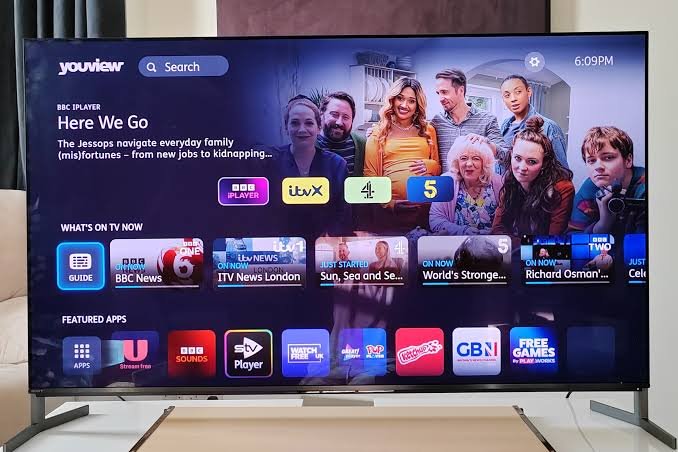
Buying a new smart TV in 2026 is about much more than choosing a large screen. Modern televisions offer advanced picture technologies, streaming applications, voice controls, gaming features, improved brightness, and smarter ways to connect with other devices. Whether you want a premium television for watching movies, a budget-friendly screen for everyday entertainment, or a gaming TV for a PlayStation or Xbox, there are more options available than ever before.
The best smart TV for one household may not be the right choice for another. Some people prioritize cinematic picture quality, while others need a bright screen for a sunny living room. Families may want a simple interface with popular streaming services, and gamers may need a high refresh rate, low input lag, and multiple HDMI 2.1 ports. Screen size, viewing distance, sound quality, software support, and price all influence which television offers the best value.
In 2026, several models stand out across different categories. The Samsung S95H OLED is a premium choice for viewers seeking impressive contrast and vivid colors, while the LG C6 OLED offers a strong balance of picture quality, gaming features, and everyday usability. The Sony BRAVIA 9 II is worth considering for bright rooms and high-end LCD performance, while models from TCL and Hisense can deliver impressive brightness and large-screen value at more accessible prices.
This guide explains the best smart TVs to consider in 2026, what makes each model suitable for different users, and which specifications matter most before buying. Model availability, sizes, prices, and features can vary by country, so buyers should check the exact version offered by their local retailer.
1. Samsung S95H OLED: Best Premium Smart TV
The Samsung S95H OLED is one of the strongest premium smart TVs to consider in 2026. It combines advanced OLED technology with rich colors, deep contrast, high-end gaming features, and a screen designed to work well in a wider range of lighting conditions than many older OLED televisions. It is especially attractive to people who want an impressive screen for movies, streaming shows, sports, and modern console gaming.
OLED technology allows individual pixels to produce their own light. When a pixel needs to display black, it can turn off, creating excellent dark-scene performance. This is particularly valuable when watching movies in a dim room, where shadow detail, dark backgrounds, and bright highlights can make a significant difference to the viewing experience.
The S95H also uses quantum-dot OLED technology, which is designed to combine OLED contrast with vibrant color reproduction. Bright scenes, colorful animation, nature documentaries, and high-quality HDR content can look striking. Its advanced panel and anti-reflective treatment also make it a compelling option for living rooms where windows and lamps would otherwise distract from the image.
Samsung’s Tizen smart TV platform provides access to a wide range of streaming and entertainment applications. The exact selection depends on region and service availability, but popular streaming platforms are generally well represented. The interface also integrates television settings, connected devices, and supported smart-home functions.
For gaming, buyers should examine the model’s supported refresh rates, variable refresh rate technology, input lag, and HDMI connectivity. These features can help provide smoother motion and more responsive controls with compatible consoles and PCs. Gamers should confirm the exact specifications of the size and regional version they intend to purchase.
One potential drawback is price. A flagship OLED television usually costs substantially more than a standard LED or budget QLED model. Samsung televisions also generally do not support Dolby Vision HDR, so viewers who specifically want that format should compare alternatives from LG, Sony, and other manufacturers.
The Samsung S95H OLED is best suited to buyers who want a premium entertainment experience and are prepared to pay for high picture quality, advanced features, and a refined design. For a high-end living room television in 2026, it deserves a place near the top of the shortlist.
2. LG C6 OLED: Best Smart TV for Most People
The LG C6 OLED is an excellent option for people who want high-end picture quality without moving all the way to the most expensive flagship category. It combines OLED contrast with vivid colors, strong gaming capabilities, and a versatile feature set that works well for movies, streaming, sports, and everyday television viewing.
One of its biggest advantages is its ability to produce deep blacks and detailed dark scenes. Since OLED pixels control their own light, the display can show a bright object against a nearly black background without the same backlight halo that can appear on some LCD televisions. This makes the C6 particularly appealing for films, television dramas, and other content watched in a dark or moderately lit room.
The C6 also offers a strong selection of HDR and picture-processing features. Supported formats and capabilities should be checked for the exact regional model, but LG’s OLED televisions are generally attractive to viewers who want a cinematic presentation and broad compatibility with premium video content. Dolby Vision support is an important advantage for buyers whose streaming services or movie collections use that format.
LG’s webOS smart platform provides access to streaming apps, television settings, and supported connected devices. The interface is designed to make it easy to switch between services and inputs. As with any smart TV, performance and long-term usefulness depend partly on software updates and whether the apps you need remain supported.
The LG C6 is also appealing to gamers. Compatible versions provide advanced gaming features, including high refresh rates and HDMI 2.1 connectivity. These features are useful with current-generation consoles and gaming PCs, especially for players who value smooth motion and responsive controls. Buyers should verify the refresh rate and number of full-bandwidth HDMI ports on the specific model.
Although OLED picture quality is excellent, the C6 may not be the best choice for every bright room. Direct sunlight and strong reflections can affect viewing, and a very bright Mini-LED television may be more suitable for a room with large uncovered windows. OLED panels also require sensible use when displaying static images for extended periods, even though modern protection features help reduce the risk of image retention.
The LG C6 is a strong all-rounder for households that want a high-quality smart TV for a mix of entertainment and gaming. It is particularly suitable for viewers who want premium performance but do not necessarily need every feature of the most expensive flagship.
3. Sony BRAVIA 9 II: Best for Bright Rooms and Premium LCD Performance
The Sony BRAVIA 9 II is a premium television worth considering for buyers who prioritize brightness, powerful HDR presentation, and sophisticated image processing. Unlike OLED televisions, which use self-emissive pixels, this class of Sony television uses advanced LCD backlighting with local dimming to control light across different areas of the screen.
Its major advantage is its ability to deliver a bright image that remains impactful in a well-lit room. This can be useful in family living rooms, open-plan homes, and spaces where curtains are not always closed during daytime viewing. Sports, nature documentaries, and other bright content can benefit from the extra light output.
Sony also has a strong reputation for image processing. Good processing helps a television make lower-resolution content look cleaner, manage motion, and present natural-looking colors. These qualities can be particularly valuable for viewers who watch a mixture of streaming services, live television, sports, and older video content.
Advanced local dimming helps LCD televisions improve contrast by reducing backlight output in darker areas of the picture. However, because the screen relies on a backlight, bright objects against dark backgrounds may still produce some blooming around subtitles, stars, or other small highlights. The amount depends on the scene and viewing conditions.
The BRAVIA 9 II also offers smart features and connectivity suitable for a modern entertainment system. Buyers should check the available apps, gaming specifications, and supported HDR formats on their regional model. If gaming is a major priority, compare its refresh-rate capabilities and HDMI features with OLED alternatives before deciding.
Its main disadvantage is cost. Premium LCD televisions can be expensive, and the BRAVIA 9 II is designed for buyers seeking high-end performance rather than the lowest price. It may also be more television than necessary for a small bedroom or a casual viewer who mainly watches standard streaming content.
The Sony BRAVIA 9 II is a strong choice for those who want a premium television in a bright room, especially if they value image processing, high brightness, and an impressive HDR experience. It is worth comparing directly with flagship OLED models because the better option depends on room lighting, viewing habits, and personal preferences.
4. LG G6 OLED: Best High-End OLED for Bright Rooms
The LG G6 OLED is another premium option for buyers who want strong OLED picture quality combined with increased brightness and a design intended for upscale living spaces. It sits above more mainstream OLED models in LG’s lineup and is aimed at people who want a sophisticated television for films, streaming, gaming, and everyday entertainment.
The G6’s OLED panel offers the core advantages associated with the technology: pixel-level light control, deep blacks, excellent contrast, and wide viewing angles. These qualities can make movies feel more immersive, particularly when watching in a room where the lights can be dimmed. Bright highlights and detailed shadows can give compatible HDR content a more dramatic appearance.
Brightness is an important part of the G6’s appeal. While OLED televisions traditionally perform best in controlled lighting, newer premium models are designed to improve their usability in brighter spaces. Better brightness and reflection management can help preserve picture impact during daytime viewing, although the results still depend on the room and the position of windows.
LG’s webOS platform provides access to supported streaming services, settings, and connected-device features. The television also offers advanced gaming capabilities on compatible inputs, making it appealing to people who want one screen for both cinematic entertainment and gaming. Users should verify the specific refresh rate, HDMI configuration, and supported gaming technologies before purchase.
A premium television is not automatically the best value for every household. The G6 generally makes more sense for people who will appreciate its advanced picture performance and design. If most viewing involves ordinary television channels or casual streaming, a lower-priced OLED or Mini-LED set may provide a more sensible balance of cost and performance.
Potential buyers should also compare the G6 with the LG C6. The C6 may offer better value for many people, while the G6 is more attractive to viewers who specifically want the additional premium features and performance associated with the higher-end series.
The LG G6 OLED is best suited to buyers seeking a high-end screen for a bright or mixed-lighting room, especially those who value excellent contrast, vivid images, and advanced gaming support.
5. Samsung S90H OLED: Best Alternative to a Flagship Samsung TV
The Samsung S90H OLED is a compelling alternative for buyers who want many of the benefits of Samsung’s premium OLED technology without necessarily choosing its most expensive flagship. It is designed for viewers who care about picture quality, vivid colors, streaming features, and gaming performance.
Like other OLED televisions, the S90H can produce deep blacks and excellent contrast because each pixel controls its own light. This makes it well suited to movies, dramatic television shows, and high-quality streaming content. Its color performance can also make animation, sports graphics, and nature footage look lively.
Samsung’s smart TV platform offers access to streaming applications and connected-device features. Buyers should check app availability in their region and consider how easy the interface is to use. A smart TV’s operating system can be just as important as its display quality because it affects the everyday experience of finding shows, switching inputs, and adjusting settings.
The S90H is also worth considering for gaming. High refresh rates and compatible gaming features can improve the experience with modern consoles and PCs. Before buying, check the precise specifications for the screen size and region, including the number of HDMI ports that support the features you plan to use.
The key comparison is between the S90H and the flagship S95H. The flagship may offer advantages in brightness, reflection handling, or other premium features, depending on the specific models being compared. However, if the S90H costs substantially less, it may be the more sensible purchase for viewers who primarily watch movies and play games in a room with manageable lighting.
As with other OLED televisions, buyers should be aware of reflections in very bright rooms and use the television’s built-in screen-care features. Those who leave static images on screen for long periods may prefer to enable screen savers and automatic power settings.
The Samsung S90H OLED is a good choice for buyers who want a high-quality Samsung smart TV for entertainment and gaming but would rather avoid paying for every flagship upgrade.
6. Hisense U7SG: Best Mid-Range Mini-LED Smart TV
The Hisense U7SG is a strong mid-range option for shoppers who want high brightness, solid contrast, and useful gaming features without paying premium OLED prices. It is particularly appealing to households that watch sports, stream television during the day, or prefer a large, bright picture in a living room.
Mini-LED technology uses many small backlight LEDs to improve control over different areas of the image. When combined with local dimming, this can deliver better contrast than a basic LED television. The result can be an image with bright highlights and darker areas that look more convincing, although performance depends on the number and effectiveness of dimming zones and the television’s processing.
Brightness is one of the reasons to consider the U7SG. A bright display can help HDR content appear more impactful and can make everyday viewing easier in a room with moderate ambient light. This can be useful for sports, daytime television, and streaming content that contains bright outdoor scenes.
The U7SG is also worth examining for gaming. Depending on the exact version, it may offer a high refresh rate and gaming-oriented features designed to improve motion and responsiveness. Buyers should check the advertised native refresh rate rather than relying solely on marketing language, since some motion specifications refer to processing rather than the panel’s actual refresh rate.
Hisense smart platforms and application availability can differ by market. Some regional versions use Google TV, while others may use a different platform. This distinction matters because it affects the apps, voice controls, and interface available after purchase. Confirm the operating system of the exact model being sold.
A mid-range Mini-LED TV can be an excellent value, but it may not match an OLED screen for pixel-level black control or viewing angles. Some blooming may be visible around bright objects on dark backgrounds, particularly in challenging scenes.
The Hisense U7SG is best for budget-conscious shoppers who want a bright, capable television for mixed everyday use, sports, streaming, and gaming. It is worth comparing with similarly priced TCL models before making a final decision.
For More Information About Article, Click Here.
For More UseFul Articles, Click Here.