
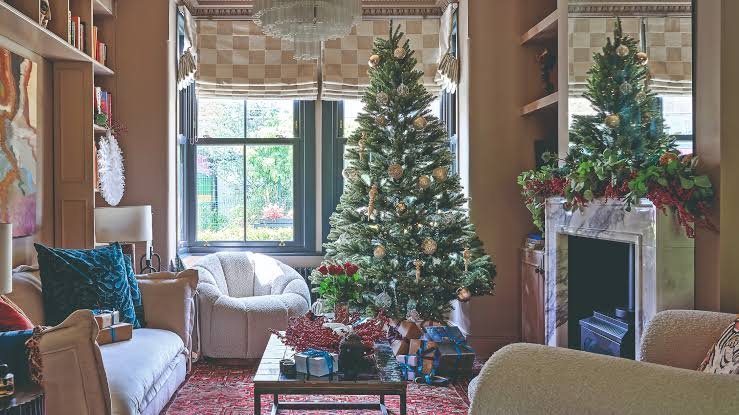
Introduction
Christmas is one of the most celebrated holidays in the United States and many other countries around the world. It is a special time when families decorate their homes, exchange gifts, prepare delicious meals, and create memorable experiences with loved ones. Decorations play an important role in establishing the festive atmosphere, transforming ordinary living spaces into warm, welcoming environments filled with seasonal charm. From beautifully decorated Christmas trees to sparkling outdoor lights, the right decorations can make the holiday season feel more magical.
In 2026, Christmas decorating offers countless opportunities to combine traditional holiday elements with modern design ideas. Homeowners can choose classic red and green decorations, elegant gold accents, minimalist white themes, natural materials, or colorful ornaments that express their personalities. There is no single decorating style that everyone must follow. The best approach is to select decorations that reflect personal preferences, complement the home’s existing interior design, and create an atmosphere that feels comfortable and festive.
Another important aspect of Christmas decorating is flexibility. Some people enjoy decorating every room with lights, garlands, ornaments, and seasonal accessories, while others prefer a simple Christmas tree and a few carefully selected decorative pieces. Both approaches can create beautiful results. A thoughtfully decorated small apartment can feel just as festive as a large house filled with elaborate displays.
Budget is also an important consideration. Christmas decorations are available at many price points, and homeowners do not need to spend a fortune to create an attractive holiday environment. Handmade ornaments, recycled materials, natural greenery, affordable string lights, and decorations collected over several years can all contribute to a beautiful Christmas display.
This guide explores the best Christmas decoration ideas for 2026, covering indoor spaces, outdoor displays, Christmas trees, dining tables, bedrooms, kitchens, offices, and more. It also explains how to choose suitable color schemes, decorate responsibly, organize a budget, and avoid common decorating mistakes. With thoughtful planning and creative ideas, anyone can create a festive home that captures the warmth, excitement, and joy of Christmas.

2. Christmas Decorating Trends to Watch in 2026
Christmas decorating trends in 2026 offer a combination of timeless holiday traditions, natural textures, personalized accessories, and contemporary interior design. Rather than following one strict style, many decorating approaches emphasize creating a coordinated environment that reflects individual tastes. Homeowners can combine familiar Christmas elements with updated colors, materials, and lighting to create a distinctive holiday atmosphere.
Natural decorations are an important option for people who appreciate organic textures and understated beauty. Wooden ornaments, pinecones, evergreen branches, dried orange slices, and natural woven baskets can bring warmth to a room. These materials work particularly well with neutral interiors, rustic furniture, and soft lighting. They can also provide an affordable alternative to purchasing large collections of artificial decorations.
Another popular decorating direction is the use of sophisticated color combinations. Traditional red and green remain familiar Christmas favorites, but combinations involving burgundy, forest green, champagne gold, ivory, and warm brown can create a more refined appearance. These colors work especially well when used consistently throughout a room rather than mixed without a clear plan.
Personalization is another effective way to make Christmas decorations meaningful. Families can display handmade ornaments, framed holiday photographs, customized stockings, and decorations collected during previous holidays. These items can create a stronger emotional connection to the season than decorations selected solely for their appearance.
Lighting also deserves special attention. Warm-white lights can create a cozy atmosphere, while colorful lights offer a playful and energetic look. Battery-operated candles, illuminated garlands, and small decorative lamps can introduce soft lighting without requiring extensive electrical arrangements.
Finally, practical decorating is becoming increasingly important for households that want attractive spaces without unnecessary clutter. Instead of filling every surface with ornaments, homeowners can focus on a few visual highlights, such as a decorated tree, a festive mantel, and a welcoming entrance. This approach makes decorations easier to maintain and allows the home’s existing design to remain visible.
3. Traditional Christmas Decoration Ideas
Traditional Christmas decorations remain popular because they create a familiar atmosphere associated with childhood memories, family gatherings, and long-standing holiday customs. Classic colors, evergreen branches, stockings, wreaths, and sparkling ornaments can transform a home into a festive setting that feels warm and inviting.
Red and green are the most recognizable traditional Christmas colors. Red ornaments, green garlands, and plaid ribbons can be combined with wooden decorations and warm-white lights to create a balanced holiday display. Adding small gold accents can introduce brightness without changing the traditional character of the arrangement.
A classic Christmas tree is often the centerpiece of this decorating style. Artificial or real evergreen trees can be decorated with glass ornaments, red bows, gold baubles, candy-cane decorations, and a traditional star or angel at the top. Families may also display ornaments collected over many years, giving the tree a personal history.
Stockings are another essential element of traditional Christmas decorating. They can be hung from an appropriate mantel, a decorative stocking holder, or a designated wall-mounted display. Matching stockings create a coordinated appearance, while individually personalized designs make the arrangement more meaningful.
Evergreen garlands can decorate stair railings, fireplace mantels, doorframes, and shelves. Adding red ribbon, pinecones, and small ornaments gives these garlands a classic appearance. When using fresh greenery, homeowners should keep it away from heat sources and replace it when it becomes excessively dry.
Traditional decorations can also extend to the dining area. Red napkins, green table runners, gold cutlery accents, and candle arrangements create a festive table without requiring expensive accessories. A small evergreen centerpiece can complete the look.
The appeal of traditional Christmas decorating lies in its flexibility. Homeowners can recreate a classic holiday atmosphere using decorations they already own, gradually adding new pieces when necessary. By combining familiar colors, meaningful ornaments, and warm lighting, they can create a timeless Christmas environment that remains attractive year after year.
4. Modern and Minimalist Christmas Decorations
Modern Christmas decorations are ideal for homeowners who appreciate clean lines, simple arrangements, and uncluttered interiors. Instead of covering every available surface with ornaments, minimalist decorating focuses on a few carefully selected elements that make a strong visual impression.
A neutral color palette is a useful starting point. White, cream, beige, charcoal, and natural wood tones can create a calm environment that complements contemporary furniture. A small number of metallic accents, such as brushed gold or silver ornaments, can add festive sparkle without overwhelming the space.
For a minimalist Christmas tree, consider using ornaments in two or three complementary colors. Matte white baubles, wooden decorations, and delicate warm-white lights can create an elegant display. Alternatively, a slim tree decorated with simple geometric ornaments can fit comfortably into a modern apartment.
Minimalist decorating also works well on shelves and side tables. A ceramic Christmas tree, a small evergreen arrangement, or a simple candle display can add seasonal character without creating clutter. Repeating similar decorative elements throughout the room helps establish a cohesive design.
Lighting should be soft and intentional. Instead of using multiple bright displays, homeowners can place warm-white lights around a window, beneath a shelf, or along a small garland. The goal is to create a gentle glow that complements the room’s existing lighting.
Natural materials can make minimalist Christmas decorations feel warmer. Wooden ornaments, linen ribbons, paper stars, and woven baskets introduce texture while maintaining a simple appearance. These elements prevent neutral decorations from looking overly sterile.
One advantage of minimalist decorating is that it can reduce both spending and preparation time. Fewer decorations require less storage space, and simple arrangements are generally easier to install and remove. This style is particularly suitable for people who want their homes to feel festive without undertaking an extensive decorating project.
5. Christmas Tree Decorating Ideas for 2026
The Christmas tree is often the main attraction of holiday decorating. It provides a focal point for the living room, creates a backdrop for family photographs, and offers an opportunity to express a preferred color scheme or personal style.
The first step is selecting the right tree. Real trees provide a natural fragrance and traditional appearance, while artificial trees can be reused for many years. Slim trees are useful in apartments and narrow rooms, whereas fuller trees may work better in spacious living areas. Before purchasing a tree, measure the available floor space and ceiling height to ensure that the finished display will fit comfortably.
After positioning the tree securely, add lights before hanging ornaments. Begin near the trunk and work outward, distributing the lights across different branches. This technique creates depth and helps prevent the tree from appearing illuminated only along its outer surface. Always follow the manufacturer’s instructions and avoid connecting more light strings than the product permits.
Next, establish a clear decorating theme. Traditional red and gold, snowy white and silver, rustic brown and green, or jewel-toned combinations can all produce attractive results. Limiting the main palette to a few coordinated colors helps the tree appear organized.
Place larger ornaments first, distributing them evenly around the tree. Smaller decorations can then fill gaps and add detail. Hang especially meaningful ornaments at visible positions, while lightweight decorations can be placed on smaller branches. Avoid overcrowding the tree because empty spaces allow the branches, lights, and individual ornaments to remain visible.
A tree topper provides a finishing touch. Stars, angels, decorative bows, and simple geometric ornaments are common choices. The topper should suit the overall design and fit the tree’s proportions.
The tree skirt or base cover is another detail worth considering. Fabric skirts, woven baskets designed for tree bases, and simple decorative collars can conceal the stand and make the display look complete. Ensure that the base remains stable and that any fabric stays away from hot equipment.
For families, a memory-themed tree can be especially meaningful. Handmade ornaments, photographs, travel souvenirs, and decorations created by children can turn the tree into a visual record of shared experiences. A beautifully decorated tree does not need to be expensive; thoughtful choices and careful arrangement often matter more than the number of ornaments.
6. Christmas Living Room Decoration Ideas
The living room is one of the most important spaces to decorate because it is often where families gather, exchange gifts, watch Christmas movies, and entertain guests. A coordinated arrangement can make the room feel festive while preserving enough space for comfortable everyday use.
Begin by identifying the main focal point. In many homes, this is the Christmas tree, fireplace, television wall, or largest seating area. Positioning decorations around one main feature helps the room feel organized rather than crowded.
Soft furnishings are an easy way to introduce seasonal colors. Christmas-themed cushions, knitted throws, plaid blankets, and decorative pillow covers can transform an ordinary sofa into a festive seating area. Red and green work well for traditional interiors, while cream, gold, and forest green can complement more contemporary spaces.
A coffee table can be decorated with a small tray containing ornaments, battery-operated candles, pinecones, and seasonal greenery. Keeping the arrangement on a tray makes it easier to move when the table is needed for drinks, snacks, or games. Avoid placing fragile decorations where they could be knocked over during gatherings.
Shelves and sideboards can accommodate small Christmas villages, ceramic trees, framed holiday messages, or miniature evergreen arrangements. Repeating a few colors across these displays creates a consistent appearance. There is no need to decorate every shelf; leaving some open space helps the decorations stand out.
Lighting plays a major role in establishing a comfortable atmosphere. Warm-white string lights can be draped around suitable shelving or incorporated into garlands. Decorative lamps and flameless candles can provide additional light in darker corners. Keep electrical cords organized and away from walking paths.
Window treatments can also contribute to the design. Simple illuminated stars, paper snowflakes, or a discreet string of lights can create a festive view from inside the room. Choose decorations that do not block emergency exits or interfere with window operation.
Finally, consider how people will use the room. Leave clear walking routes, maintain access to seating, and avoid placing decorations where they interfere with children, pets, or frequently used doors. A successful Christmas living room should be attractive, welcoming, and practical throughout the holiday season.
7. Christmas Front Door and Porch Decorations
The front entrance creates the first impression of a decorated home. A welcoming Christmas doorway can make the property feel festive before visitors even step inside. Fortunately, attractive entrance decorations do not require a large porch or an expensive collection of accessories.
A Christmas wreath is one of the simplest ways to decorate a front door. Evergreen wreaths provide a traditional appearance, while designs featuring pinecones, berries, dried flowers, or metallic ornaments can suit different styles. A large ribbon adds color and helps connect the wreath to the rest of the home’s decorations.
Garlands can be placed around doorframes, porch railings, or suitable columns. Artificial greenery is convenient because it can be stored and reused, while fresh greenery provides a natural appearance. Outdoor decorations should be selected according to the weather conditions in the area.
Decorative planters can add height and structure to the entrance. Evergreen branches, seasonal foliage, pinecones, and weather-resistant ornaments can be arranged in large containers near the doorway. If the climate allows, small evergreen plants can provide a natural look that lasts beyond Christmas.
A festive doormat can complete the entrance design. Choose a durable mat with a seasonal pattern or a simple holiday message. Make sure it remains flat and does not create a tripping hazard.
For larger porches, consider adding lantern-style decorations with battery-operated candles, wrapped empty gift boxes, or a small outdoor Christmas tree. Grouping decorations in pairs can create a balanced appearance on either side of the entrance.
Lighting is particularly important for evening visibility. Weather-rated lights can outline architectural features or illuminate a porch tree. Use outdoor-rated equipment and follow the manufacturer’s instructions for electrical connections. Keep walkways clear, and avoid positioning cables where visitors may trip over them.
Homeowners should also consider the weather. Decorations exposed to rain, snow, strong winds, or direct sunlight may need additional protection. Secure lightweight items properly and remove decorations that become damaged.
A well-decorated front entrance should look inviting without obstructing the doorway or making it difficult for visitors to reach the house. Even a wreath, a pair of planters, and a small amount of lighting can create an attractive Christmas welcome.
8. Outdoor Christmas Lighting Ideas
Outdoor Christmas lights can transform a house, garden, balcony, or driveway into a festive display. They are especially effective because they make decorations visible after dark and can highlight architectural features that might otherwise go unnoticed.
Roofline lighting is a familiar option. Lights placed along suitable roof edges, gutters, or architectural outlines create a clean appearance. Homeowners should use products specifically rated for outdoor conditions and avoid working at heights without appropriate equipment and assistance.
Trees and shrubs can also become decorative focal points. Wrapping lights around tree trunks and major branches produces a structured appearance, while draping lights over shrubs creates a softer effect. Choose light strings designed for outdoor use, and avoid placing excessive weight on delicate branches.
Pathway lighting can make outdoor spaces feel more welcoming. Low-voltage landscape lights, suitable solar lights, or weather-rated decorative stakes can illuminate garden paths and driveway edges. Ensure that lighting does not create glare for drivers or shine directly into neighboring windows.
Color is another important decision. Warm-white lights create a traditional and elegant effect, while multicolored lights provide a playful appearance. Some homeowners use a single color throughout the property, while others reserve colorful lighting for trees and decorative figures.
For a more elaborate display, consider illuminated reindeer, stars, snowflakes, or oversized ornaments. These decorations work best when they support a clear theme. A few well-positioned figures can look more attractive than a large collection placed without a plan.
Smart outdoor lights may offer scheduling, dimming, and color adjustments. These features allow homeowners to create different lighting effects for ordinary evenings and holiday gatherings. However, outdoor electrical equipment must be suitable for the environment in which it is installed.
Energy use should also be considered. LED lights generally consume less electricity than comparable traditional incandescent lights and often produce less heat. Timers can prevent displays from remaining illuminated throughout the night when no one is viewing them.
Before installing outdoor decorations, inspect the lights, cables, plugs, and connectors. Discard damaged products, use suitable outdoor outlets, and follow the manufacturer’s electrical safety instructions. Never overload outlets or connect incompatible light strings.
A successful outdoor display combines attractive lighting with safe installation, thoughtful placement, and a clear visual theme.
9. Christmas Kitchen Decoration Ideas
The kitchen is often a busy center of activity during Christmas because families prepare holiday meals, bake cookies, make hot chocolate, and gather for informal conversations. Small decorative touches can make this practical space feel festive without interfering with food preparation.
Start with the kitchen counter. A small evergreen arrangement, decorative bowl of ornaments, or festive tray can introduce seasonal color. Place decorations away from cooking surfaces, sinks, and food preparation areas to keep the workspace functional.
Christmas-themed kitchen towels are an affordable decorating option. Designs featuring snowflakes, evergreen branches, gingerbread characters, or traditional holiday colors can add visual interest without taking up valuable counter space. Coordinated oven mitts and washable table linens can complete the arrangement.
A kitchen window provides another opportunity for seasonal decoration. Paper stars, small hanging ornaments, or a discreet string of lights can create a festive display. Ensure that decorations do not obstruct ventilation, interfere with window operation, or come into contact with hot surfaces.
Open shelves can accommodate a few seasonal items, such as holiday mugs, ceramic houses, or small decorative trees. A limited arrangement often works better than replacing every everyday item with Christmas-themed alternatives.
For households that enjoy baking, a cookie station can become both decorative and practical. Arrange cookie jars, festive plates, mixing accessories, and holiday mugs on a dedicated shelf or tray. This creates an attractive display that also supports seasonal activities.
The dining nook can be decorated with a small table runner, a simple centerpiece, or Christmas-themed cushions on nearby seating. Natural materials such as wood, linen, and evergreen branches work well in kitchens with rustic or farmhouse-inspired interiors.
Fresh greenery should be kept away from direct heat, food, and areas where it could contaminate preparation surfaces. Decorations should also be placed where they will not fall into cooking equipment or create fire hazards.
The most effective kitchen decorations combine seasonal charm with practicality. By focusing on small accessories and keeping work surfaces clear, homeowners can enjoy a festive kitchen that remains convenient during the busiest days of the holiday season.
10. Christmas Bedroom Decoration Ideas
Christmas bedroom decorations can create a relaxing holiday atmosphere that continues after the main living areas have been decorated. Unlike busy public spaces, bedrooms benefit from soft textures, gentle lighting, and a limited number of seasonal accessories.
Bedding is one of the easiest ways to introduce Christmas colors. A duvet cover featuring subtle snowflakes, winter patterns, or classic plaid can create a festive appearance. Alternatively, neutral bedding can be combined with red, green, or burgundy cushions and a knitted throw.
Lighting can make the room feel especially comfortable during winter evenings. Warm-white fairy lights can be arranged around a suitable headboard or placed along a shelf, provided they are installed according to the manufacturer’s instructions. Keep electrical equipment away from bedding and ensure that lights are switched off when required for safe use.
A small Christmas tree can provide a focal point in a bedroom. Tabletop trees are ideal for bedside tables or dressers, while slim floor-standing trees can fit into a corner. Decorate them with lightweight ornaments and soft lighting that complements the bedroom’s color scheme.
Bedside tables can accommodate small ceramic trees, seasonal candles designed for flameless use, or miniature evergreen arrangements. Keep the arrangement simple enough to leave space for everyday essentials.
Windows can also contribute to the festive atmosphere. Paper snowflakes, removable window decorations, or small hanging stars can create a winter-inspired look. Avoid using adhesives that may damage painted surfaces or window finishes.
For children’s bedrooms, personalized stockings, soft Christmas characters, and colorful decorations can make the holiday season exciting. Choose age-appropriate products, avoid small detachable pieces for young children, and keep cords away from sleeping areas.
A bedroom does not need extensive decorations to feel festive. A seasonal blanket, a small tree, and warm lighting may be enough to create a peaceful environment. The goal is to complement the room’s relaxing purpose rather than turn it into another crowded display area.
11. Christmas Dining Table Decoration Ideas
The dining table becomes an important gathering place during Christmas celebrations. Whether a family hosts a large holiday dinner or enjoys a quiet meal at home, a thoughtfully arranged table can make the occasion feel special.
Begin by selecting a color palette that complements the room. Traditional red and green, elegant white and gold, rustic green and brown, or silver and blue can all work well. Using a consistent palette across table linens, napkins, decorations, and place settings creates a coordinated appearance.
A table runner can provide the foundation for the design. Linen, cotton, velvet, or seasonal printed fabric can introduce color and texture. For a natural look, use a neutral runner with evergreen branches, pinecones, and small decorative accents.
The centerpiece should suit the size and shape of the table. A long arrangement of greenery can work well on a rectangular table, while a compact wreath or decorative bowl may be better for a round table. Keep the centerpiece low enough for guests to see one another comfortably.
Candles can create a warm atmosphere, but flameless candles are a practical alternative for households with children, pets, or crowded tables. If real candles are used, keep them away from greenery, fabric, paper decorations, and anything that could ignite.
Place settings can be enhanced with cloth napkins, decorative napkin rings, and simple name cards. Small ornaments or personalized messages can make each setting feel thoughtful. These details do not need to be expensive; handmade cards can be particularly meaningful.
Natural decorations are another attractive option. Cinnamon sticks, dried orange slices, pinecones, and evergreen branches can introduce texture and seasonal character. Ensure that decorative materials are clean and kept away from food where necessary.
Table decorations should never interfere with serving dishes, glasses, or comfortable seating. Avoid placing oversized arrangements where they block views or make it difficult to pass food around the table.
After selecting the main elements, step back and evaluate the overall arrangement. A balanced table usually looks more attractive than one crowded with unrelated accessories. With coordinated colors, appropriate lighting, and a thoughtful centerpiece, the dining area can become a memorable part of the Christmas celebration.
12. DIY Christmas Decorations on a Budget
Do-it-yourself Christmas decorations are an excellent option for people who want to create a festive home without spending too much money. Handmade decorations can also become meaningful family traditions, especially when children and other relatives participate in the creative process.
Paper decorations are among the easiest projects. Paper stars, snowflakes, folded ornaments, and decorative chains can be made using inexpensive materials. White paper creates a snowy appearance, while colored paper can match a traditional or contemporary Christmas theme. Finished decorations can be attached to windows or suspended from suitable indoor fixtures.
Pinecones can also become attractive seasonal accessories. Clean, dry pinecones may be placed in bowls, arranged along a table runner, or incorporated into wreaths. Small ribbons can add color, while a simple natural finish suits rustic interiors. Collecting natural materials should be done responsibly, and decorations should be checked for insects or debris before being brought indoors.
Glass jars can be transformed into decorative lantern-style displays. Fill a clean jar with suitable battery-operated lights, artificial greenery, or decorative paper shapes. Avoid placing electrical components in contact with moisture or using open flames inside improvised containers.
Handmade ornaments offer another inexpensive project. Cardboard shapes, fabric scraps, wooden cutouts, and sturdy paper can be decorated with paint, ribbons, or drawings. Families can create personalized ornaments featuring names, dates, or favorite holiday memories.
Old decorations can also be refreshed rather than replaced. Existing baubles may be grouped by color, wrapped with new ribbons, or displayed in decorative bowls. A worn wreath can sometimes be improved with fresh artificial greenery or a new bow.
Fabric scraps can be used to create simple bows, small decorative stockings, or reusable gift bags. Reusing fabric helps reduce waste and allows homeowners to match decorations to their preferred color scheme.
A DIY decorating session can become an enjoyable Christmas activity. Children can create paper ornaments while adults prepare wreaths or arrange handmade centerpieces. Assigning age-appropriate tasks encourages participation and helps families develop traditions.
When making decorations, use suitable tools and materials, especially when children are involved. Sharp scissors, hot glue guns, small parts, and craft chemicals require appropriate supervision.
The biggest advantage of DIY decorating is that creativity can replace expensive purchases. With a few basic supplies, recycled materials, and some planning, homeowners can produce attractive decorations that feel personal and distinctive.
13. Eco-Friendly Christmas Decoration Ideas
Eco-friendly Christmas decorating focuses on reducing unnecessary waste, choosing durable products, and making thoughtful use of natural or reusable materials. These approaches can help households enjoy a festive environment while being more conscious of the environmental impact of holiday spending.
Reusable decorations are an effective starting point. Artificial trees, fabric ribbons, sturdy ornaments, and durable wreaths can be stored and used over several years. Purchasing fewer but better-quality items may reduce the need to replace decorations every season.
Real Christmas trees can be a suitable option when they are sourced responsibly and handled appropriately after the holiday. Local recycling programs may turn collected trees into mulch or other useful materials. Homeowners should check local disposal arrangements rather than leaving trees in unsuitable locations.
Natural materials can also contribute to eco-friendly decorating. Fallen pinecones, suitable fallen branches, dried citrus slices, and reusable wooden ornaments can introduce texture without requiring large quantities of new plastic accessories. Natural materials should be gathered responsibly and used in ways that avoid unnecessary damage to plants or habitats.
LED lights are another practical choice. They generally use less electricity than traditional incandescent lights and often have a longer operating life. Timers can help limit the number of hours that outdoor and indoor displays remain illuminated.
Reusable fabric gift bags and durable wrapping materials can reduce the amount of disposable packaging used during Christmas. Cloth ribbons, reusable boxes, and paper wrapping that can be recycled through local programs are useful alternatives, depending on the materials and local recycling rules.
Thrift stores and secondhand marketplaces can provide another source of Christmas decorations. Previously owned ornaments, vintage candleholders, and older decorative accessories can add character while extending the useful life of existing products.
A natural color scheme can make sustainable decorating visually appealing. Wooden ornaments, green branches, neutral fabrics, and simple paper stars can create an understated but festive atmosphere.
However, eco-friendly decorating does not mean every decoration must be homemade or natural. The most useful approach is to consider durability, material safety, energy use, and the possibility of reuse. A decoration that is stored carefully and enjoyed for many years may be a more practical choice than a disposable product purchased for a single season.
14. Christmas Color Schemes for 2026
Choosing a color scheme is one of the most effective ways to create a coordinated Christmas display. Colors influence how a room feels, and a consistent palette can make decorations appear more intentional even when they come from different collections.
Traditional red and green remain familiar choices. Red adds warmth and energy, while green connects the display with evergreen trees and wreaths. Gold accents can introduce brightness, and wooden details can soften the overall appearance. This combination is especially suitable for family rooms and classic interiors.
White and gold create a more elegant atmosphere. White ornaments, cream fabrics, warm lighting, and gold accessories can make a room feel bright and refined. This palette works particularly well in spaces with neutral furniture and light-colored walls.
Silver and blue offer a winter-inspired appearance. Pale blue ornaments, silver stars, white lights, and glass decorations can create a cool, sparkling display. This combination can be effective in contemporary rooms, especially when balanced with warm lighting and soft fabrics.
Burgundy and forest green provide a richer alternative to bright red and traditional green. These deeper colors work well with wooden furniture, velvet cushions, and gold accents. They can create a sophisticated appearance without losing the familiar character of Christmas.
Neutral colors such as beige, ivory, brown, and soft gray are suitable for minimalist decorating. Wooden ornaments, linen ribbons, and natural greenery can add texture to these understated palettes. A few metallic details may provide additional sparkle.
For people who prefer playful decorations, rainbow colors or multicolored ornaments can create a lively atmosphere. This approach is especially suitable for family homes, children’s spaces, and themed Christmas trees.
When choosing a palette, consider the room’s existing furniture, wall color, flooring, and lighting. Decorations should complement the interior rather than compete with it. Repeating the same two or three main colors across the tree, mantel, dining table, and entrance can help the entire home feel connected.
There is no requirement to follow a particular color trend in 2026. The best palette is one that reflects personal preferences, suits the home, and creates the desired holiday atmosphere.
15. Small Space Christmas Decorating Ideas
Decorating a small apartment, studio, or compact home requires careful planning. Limited floor space does not prevent homeowners from creating an attractive Christmas display. In fact, a smaller area can look especially inviting when decorations are selected thoughtfully.
A slim Christmas tree is one of the most practical solutions. Narrow trees take up less floor space while still providing room for ornaments and lights. Tabletop trees are another option for shelves, desks, and side tables.
Wall-mounted decorations can replace some floor-standing accessories. A simple arrangement of lights, a decorative wall tree, or a festive wreath can create a focal point without taking up valuable space. Removable hooks and suitable wall attachments can help prevent damage to painted surfaces.
Window decorations are also useful. Paper stars, snowflakes, small hanging ornaments, and discreet lights can introduce Christmas character without occupying furniture or floor space.
Multifunctional decorations can make a small home feel festive while remaining practical. A decorative tray can hold ornaments when guests arrive and be moved when additional table space is needed. Seasonal cushion covers can transform existing furniture without requiring extra storage for large accessories.
Vertical space is particularly valuable. Garlands can be placed along suitable shelves, and lightweight decorations can be displayed on walls or narrow ledges. Avoid overcrowding high shelves or placing heavy objects where they could fall.
Color coordination can make a small room appear more organized. Using a limited palette prevents decorations from visually overwhelming the space. Light-colored ornaments and warm-white lighting can create an airy atmosphere, while a few deeper colors provide contrast.
Storage should be considered before purchasing decorations. Collapsible trees, nesting ornaments, fabric decorations, and reusable storage containers can help keep belongings organized after Christmas.
Finally, maintain clear walking paths and easy access to doors, windows, heating equipment, and electrical outlets. Small spaces often have limited circulation, so decorations should never interfere with everyday movement.
The most effective strategy is to choose a few prominent decorations rather than trying to recreate a large home’s display. A small tree, a wreath, coordinated cushions, and subtle lighting can create a complete Christmas atmosphere without making the home feel crowded.
16. Luxury Christmas Decoration Ideas
Luxury Christmas decorations focus on quality materials, coordinated colors, balanced arrangements, and carefully planned lighting. A luxurious display does not necessarily require an enormous budget. Attention to detail and consistency can make a significant difference.
One approach is to select high-quality ornaments in a limited palette. Glass baubles, fabric ribbons, metallic accessories, and carefully finished decorative pieces can create a sophisticated Christmas tree. Repeating the same colors and materials helps the display feel cohesive.
A full Christmas tree can become a dramatic focal point in a spacious living room. Layered lighting, ornaments in different sizes, and a carefully selected topper can create depth. However, the tree should remain proportional to the room and should not obstruct movement or essential furniture.
Elegant fabrics can also contribute to a luxury atmosphere. Velvet cushions, soft throws, linen table runners, and coordinated stockings introduce texture. Deep green, burgundy, ivory, champagne, and gold are useful colors for creating a rich appearance.
The fireplace mantel can become another focal point. A substantial garland, matching candleholders, a few decorative ornaments, and coordinated stockings can create a balanced display. Leaving some space between decorative elements allows individual pieces to stand out.
Dining arrangements can be elevated through layered table linens, carefully arranged place settings, polished serving accessories, and a low centerpiece. Matching napkins and subtle metallic details can make the table feel special without overcrowding it.
Lighting is particularly important in luxury decorating. Warm-white lights, discreet accent lighting, and flameless candles can create depth and atmosphere. Instead of making every corner equally bright, focus on a few areas that deserve attention.
Outdoor decorations can follow the same principles. A well-lit entrance, matching wreath and garland, and a limited number of high-quality outdoor ornaments can create an impressive appearance.
The secret to luxury decorating is restraint. Too many competing colors, oversized accessories, and inconsistent materials can make a display feel disorganized. By selecting fewer pieces and arranging them carefully, homeowners can create an elegant Christmas environment that feels polished and welcoming.
17. Christmas Decorations for Families with Children
Christmas decorating can become a memorable family activity when children are invited to participate. Handmade ornaments, colorful decorations, and personalized displays can help children feel involved in holiday traditions while creating opportunities for creativity and shared experiences.
A family Christmas tree can include ornaments made by children, handmade paper decorations, and photographs from previous holidays. These items may not look identical to professionally designed ornaments, but they often carry greater personal meaning.
A children’s craft area can provide a dedicated place for seasonal activities. Paper, washable markers, child-safe glue, and suitable decorative materials can be organized in small containers. Adults should supervise projects that involve scissors, small parts, or other potentially hazardous tools.
Colorful decorations can make children’s bedrooms or play areas feel festive. Soft Christmas characters, fabric bunting, removable wall decorations, and small artificial trees are useful options. Choose products appropriate for the children’s ages and keep small detachable pieces away from young children who might swallow them.
An advent calendar can introduce a daily Christmas activity. Families can use reusable pockets, small envelopes, or a decorated cardboard display to hold messages, simple activities, or small treats. The calendar can encourage reading, creativity, kindness, or family time.
Children may also enjoy helping decorate the dining table. Handmade place cards, paper napkin rings, or drawings can make family meals feel more personal. Adults can handle hot dishes, fragile decorations, and any candles used during the gathering.
Safety should guide the decorating process. Keep breakable ornaments out of reach, secure the Christmas tree so it cannot easily tip over, and place electrical cords where children cannot pull or trip over them. Avoid using decorations that resemble food if very young children might attempt to eat them.
Battery-operated candles are generally more practical than open flames in homes with active children. Batteries should also be secured in products designed to prevent easy access, especially when small children are present.
The most important goal is to create a festive environment that feels enjoyable rather than perfect. Allowing children to contribute their own ideas can make Christmas decorations more personal and help establish traditions that families remember for years.
18. Christmas Office Decoration Ideas
Decorating an office for Christmas can improve the atmosphere and encourage colleagues to enjoy the holiday season together. Whether the workplace is a home office, a small business, or a large corporate environment, decorations should remain professional, organized, and appropriate for the space.
A small Christmas tree is an easy starting point. Tabletop trees work well on reception desks, while larger trees can be placed in suitable common areas. A simple color scheme helps the decorations complement the office’s existing furniture and branding.
Reception areas are particularly useful places for seasonal decorations because they are often the first spaces visitors see. A wreath, small illuminated display, or coordinated garland can create a welcoming impression without interfering with reception activities.
Desk decorations should be modest and practical. Small ceramic trees, miniature wreaths, festive stationery, or a seasonal mug can introduce Christmas character without occupying too much workspace. Avoid decorations that obstruct monitors, block ventilation, or interfere with equipment.
Shared areas such as meeting rooms and break rooms can accommodate more elaborate decorations. A festive table runner, a small tree, or a display of handmade ornaments can make these spaces feel more welcoming.
For workplaces that encourage participation, employees can contribute decorations or create ornaments representing their teams. A shared decorating activity can provide an opportunity for colleagues to interact outside their usual responsibilities.
Lighting requires particular care in offices. Use suitable products, keep cables organized, and avoid placing lights near sensitive equipment or busy walking routes. Workplace safety rules and building policies should always take priority.
Businesses should also consider inclusivity. Christmas decorations can be festive without requiring every employee to participate in celebrations. Neutral winter decorations, seasonal greenery, and simple lighting can help create a welcoming atmosphere for people with different preferences and traditions.
Finally, avoid cluttering desks, emergency exits, fire equipment, or accessible routes. Decorations should never interfere with normal operations.
A well-decorated office can feel cheerful and professional at the same time. A few coordinated accessories, a welcoming reception display, and a shared festive area may be all that is needed.
19. Christmas Window Decoration Ideas
Windows provide an excellent opportunity to display Christmas decorations both inside and outside the home. Because they naturally attract attention, even a simple window arrangement can make a room feel more festive.
Paper snowflakes are a traditional option. They can be cut into different patterns and attached using suitable removable materials. Arranging several snowflakes at varying heights creates a layered winter scene.
Window stars can provide a more structured appearance. White, gold, or silver stars complement neutral interiors, while colorful designs can make a children’s room feel more playful. Hanging lightweight stars at different heights can create depth without blocking the entire window.
String lights are another popular choice. A simple line of warm-white lights around the window frame can create a soft glow. Use products suitable for the intended location and ensure that cords do not interfere with opening or closing the window.
Removable window decals offer an easy alternative for people who prefer not to make decorations by hand. Snowflakes, stars, evergreen branches, and seasonal characters can be arranged to suit the size of the glass. Choose products designed for the relevant surface to reduce the risk of residue.
A windowsill can become a miniature Christmas display. Small ceramic houses, artificial evergreen trees, battery-operated candles, and decorative ornaments can be grouped into a simple winter scene. Leave enough space to operate windows and keep decorations away from curtains that may move toward heat sources.
For a more natural look, use small evergreen arrangements in suitable containers. Keep fresh greenery away from direct heat and check it regularly for dryness.
When decorating windows, consider privacy, daylight, and ventilation. Large decorations may block natural light or interfere with window operation. Avoid hanging heavy objects from unsuitable fixtures.
Window decorations are especially useful in small homes because they create a festive appearance without occupying floor space. With a few carefully chosen items, a window can become one of the most attractive features of a Christmas-decorated room.
20. Christmas Fireplace and Mantel Decorations
A fireplace and mantel can become a natural focal point for Christmas decorating. Even when the fireplace is not used, the surrounding area provides space for garlands, stockings, ornaments, and seasonal lighting.
An evergreen garland is a classic starting point. It can be arranged along the mantel and decorated with ribbons, pinecones, ornaments, or small lights. Artificial greenery is often easier to maintain, while fresh greenery provides a natural appearance and fragrance.
Stockings can be hung from suitable stocking holders or secure mounting points. Matching stockings create a coordinated look, while personalized designs introduce individuality. Ensure that stockings do not hang where they could come into contact with flames or hot surfaces.
Candles and decorative lanterns can add warmth to the mantel. Battery-operated candles are particularly useful because they create a soft glow without an open flame. If real candles are used, keep them well away from greenery, ribbons, and other flammable materials.
A mirror or artwork above the mantel can provide a visual anchor. A wreath, decorative star, or coordinated artwork may also work well. The size of the central decoration should be proportional to the mantel and the room.
For a traditional display, combine red ribbons, green garlands, gold ornaments, and classic stockings. A modern arrangement might use white decorations, metallic accents, and a simpler garland. Natural wood, neutral fabrics, and pinecones can create a rustic appearance.
If the fireplace is operational, safety becomes especially important. Keep combustible decorations away from the firebox, chimney openings, and hot surfaces. Follow the fireplace manufacturer’s instructions and any relevant safety guidance. Do not assume that a mantel is safe simply because it appears cool when the fireplace is off.
Electric fireplaces also produce heat in some areas, so decorations should be placed according to the manufacturer’s recommended clearances.
The most effective mantel displays balance greenery, ornaments, and open space. A few carefully arranged pieces can create a beautiful focal point without making the fireplace look crowded or compromising safety.
21. Christmas Decorating Ideas for Apartments
Apartment decorating often requires a balance between personal style, limited space, and building rules. The best approach is to use decorations that fit comfortably into the available area and can be installed without causing damage.
A compact Christmas tree can create a festive focal point. Slim artificial trees, tabletop trees, and small potted evergreens are suitable options for apartments. Select a size that allows people to move comfortably around the room.
Removable hooks can help display lightweight garlands, stockings, and seasonal decorations without drilling into walls. Before applying adhesive products, check the manufacturer’s instructions and test their suitability for the wall finish.
Balconies can also be decorated when building rules permit. Outdoor-rated lights, weather-resistant ornaments, and a small artificial tree may create an attractive display. Secure decorations against wind and avoid attaching items to railings in ways that could create falling-object hazards.
For apartments without balconies, windows offer another opportunity. Paper stars, small hanging ornaments, and discreet lights can introduce Christmas character without taking up floor space.
Shared walls and close neighbors should be considered when planning lighting and sound. Bright flashing displays may disturb others, while large outdoor speakers may be inappropriate in apartment buildings. A considerate display can be festive without creating unnecessary inconvenience.
Storage is another important factor. Choose decorations that fold flat, nest together, or fit into compact containers. Reusing the same color scheme each year can also make decorating easier because existing accessories can be combined without purchasing a completely new collection.
Renters should pay attention to lease requirements and building policies. Avoid permanent alterations unless permission has been obtained, and use suitable mounting methods for the surfaces involved.
The best apartment Christmas decorations are attractive, flexible, and easy to remove. A small tree, a window display, a few cushions, and coordinated lighting can create a complete festive atmosphere even in a compact home.
22. Smart Christmas Decorations and Technology
Technology can make Christmas decorating more convenient by providing flexible lighting, scheduling options, and easier control over decorative displays. Smart devices are particularly useful for people who enjoy changing their lighting throughout the holiday season.
Smart string lights may allow users to adjust brightness, select colors, and create different lighting effects through a compatible application or controller. Some products offer preset patterns, while others support customized combinations. These features can help homeowners match their decorations to a chosen color scheme.
Smart plugs can be used with compatible decorative lighting to establish schedules. For example, indoor lights may be programmed to switch on during the evening and turn off at bedtime. Before using a smart plug, confirm that it is compatible with the connected equipment and suitable for the intended location.
Voice-controlled lighting may offer another convenient option. In compatible smart homes, users can control lights through supported voice assistants. This can be useful when decorations are positioned in difficult-to-reach areas, although manual controls should remain accessible when needed.
Projection lights can create seasonal patterns on suitable walls or outdoor surfaces. Depending on the product, they may display stars, snowflakes, or moving decorative effects. Their placement should be planned carefully to avoid shining into neighboring properties, distracting drivers, or disturbing nearby residents.
Digital photo displays can also contribute to Christmas decorating. A compatible screen can show family holiday photographs, seasonal artwork, or a rotating collection of memories. This approach can be especially useful in small homes where physical decorations are limited.
Smart technology does not eliminate the need for electrical safety. Indoor and outdoor equipment must be used according to its rating, cables should be protected, and devices should not be overloaded. Outdoor connections require suitable weather protection.
Privacy and network security are also worth considering when using connected devices. Homeowners should follow the manufacturer’s security recommendations and keep software updated when updates are available.
Technology is most useful when it simplifies the decorating experience. A few well-chosen smart lights and timers can provide flexibility without turning Christmas decorating into a complicated technical project.
23. Christmas Decoration Mistakes to Avoid
Even beautiful decorations can look less effective when they are poorly arranged. Avoiding a few common mistakes can help homeowners create a more attractive and functional Christmas environment.
One common mistake is using too many colors without a clear plan. A large collection of unrelated colors can make a room feel visually crowded. Choosing two or three main colors and repeating them across important areas usually produces a more coordinated result.
Another mistake is overcrowding surfaces. Coffee tables, mantels, shelves, and kitchen counters can quickly become cluttered when every available space is filled with ornaments. Leaving some open space allows individual decorations to stand out and keeps the room easier to use.
Choosing decorations that are too large for the room can also create problems. An oversized tree may block walking paths, while a large centerpiece can interfere with dining. Measure the available space before purchasing major decorations.
Lighting mistakes should be taken seriously. Using indoor lights outdoors, connecting incompatible light strings, or overloading electrical outlets can create safety hazards. Inspect equipment and follow the manufacturer’s instructions before installation.
Poorly secured decorations are another concern. Heavy ornaments, unstable trees, and lightweight outdoor figures can fall or move unexpectedly. Use suitable supports and secure items according to their design and location.
Some people also overlook storage. Buying decorations without considering where they will be kept can create unnecessary clutter after Christmas. Before purchasing new items, assess existing decorations and available storage space.
Decorating too early without a plan can lead to unfinished displays or repeated rearranging. A simple layout and shopping list can reduce unnecessary work.
Finally, homeowners should avoid choosing decorations solely because they are fashionable. A trend may not suit the home’s architecture, existing furniture, or personal preferences. Decorations should create an environment that feels enjoyable rather than forcing the home to match an external standard.
By planning color schemes, considering proportions, checking safety, and avoiding unnecessary clutter, homeowners can create a festive display that remains attractive and practical throughout the holiday season.
24. How to Plan a Christmas Decorating Budget
Planning a Christmas decorating budget helps households create an attractive holiday environment without overspending. Because decorations are available at many price points, it is possible to create a beautiful display while remaining within a realistic spending limit.
Begin by reviewing decorations already owned. Trees, ornaments, garlands, lights, wreaths, and seasonal fabrics may still be suitable for use. Organizing these items before shopping prevents duplicate purchases and makes it easier to identify genuine needs.
Next, establish a total spending limit. The amount will depend on household finances, the size of the home, and the type of display desired. A modest budget can support a simple tree, a few decorations, and basic lighting, while a larger budget may allow additional outdoor displays or higher-quality accessories.
Divide the budget into categories such as the Christmas tree, indoor decorations, outdoor lighting, handmade projects, and storage supplies. These categories do not need equal allocations. Prioritize the areas that matter most to the household.
For example, a family that enjoys hosting dinner may prefer to spend more on dining decorations, while a household that values outdoor displays may prioritize weather-resistant lights. Choosing priorities helps prevent money from being spread across items that have little practical value.
Consider the cost of ownership rather than the initial price alone. Durable ornaments and reusable decorations may provide better value over several years than inexpensive items that quickly break. However, a higher price does not automatically guarantee better quality, so examine materials and construction before buying.
DIY projects can reduce costs, especially when using materials already available at home. Paper stars, handmade ornaments, reusable fabric ribbons, and refreshed older decorations can create attractive displays without requiring a large shopping budget.
Keep track of purchases throughout the decorating process. A simple written list or household spreadsheet can help monitor spending and prevent last-minute purchases that exceed the planned amount.
It is also wise to leave a small reserve for unexpected needs, such as replacement lights or suitable storage containers. Avoid using money intended for essential household expenses to purchase nonessential decorations.
After Christmas, store decorations carefully and note which items worked well. This makes future decorating easier and can reduce unnecessary spending in the following year.
A successful Christmas budget is not determined by how much money is spent. It is determined by how effectively the available money is used to create a welcoming, meaningful, and attractive holiday environment.
25. When to Start Decorating for Christmas 2026
Choosing when to begin decorating for Christmas depends on personal preferences, family traditions, available time, and the amount of decorating involved. There is no universal date that everyone must follow, but planning ahead can make the process easier.
Some households begin decorating in early November, particularly when they enjoy the Christmas season and want to use their decorations for several weeks. Others wait until after Thanksgiving in the United States, maintaining a traditional separation between the two holidays. Both approaches are common personal choices.
For large homes or elaborate outdoor displays, starting early can be useful. Homeowners may need several days or weekends to install lights, arrange trees, organize decorations, and check electrical equipment. Beginning with a plan allows these tasks to be completed without unnecessary pressure.
A gradual decorating schedule can make the process more manageable. One weekend might be dedicated to the Christmas tree, another to the living room, and a later session to outdoor lighting and the entrance. Smaller tasks can be completed whenever time permits.
People with limited space may prefer a shorter decorating period. A small tree, a wreath, and a few coordinated accessories can often be installed in one afternoon.
Outdoor decorating should take local weather into account. If the area experiences cold temperatures, rain, or snow, installing weather-resistant decorations before difficult conditions arrive may be more convenient. Safety should always take priority over completing a display quickly.
Before decorating, inspect stored items and test light strings according to the manufacturer’s instructions. Replace damaged equipment and confirm that outdoor decorations are suitable for the expected weather.
It is also helpful to decide when decorations will be removed. Some households take them down shortly after Christmas, while others keep them through the New Year or a later traditional holiday date. Planning removal in advance can prevent decorations from becoming an unintentional long-term storage problem.
For Christmas 2026, the most practical starting date is the one that fits the household’s schedule and preferences. Whether decorations go up in early November or closer to Christmas Day, a little preparation can make the season more enjoyable.
26. Conclusion
The best Christmas decoration ideas for 2026 combine creativity, personal style, practical planning, and the warmth of holiday traditions. From traditional red-and-green displays to modern minimalist arrangements, there are countless ways to transform a home into a welcoming Christmas environment. The most successful decorations are those that complement the home’s design, suit the available space, and reflect the people who live there.
Christmas trees remain a central feature of holiday decorating, but the festive atmosphere can extend throughout the home. Living rooms can become cozy gathering spaces with seasonal cushions and soft lighting. Front doors can welcome guests with wreaths and garlands. Kitchens can feature small decorative accessories, while dining tables can be transformed with coordinated linens and thoughtful centerpieces. Bedrooms, offices, windows, and fireplaces also offer opportunities to introduce seasonal character.
Homeowners can choose from traditional, modern, rustic, luxury, and minimalist decorating styles. Selecting a consistent color scheme helps connect different areas of the home, while natural materials and reusable decorations provide practical options for people who want to reduce waste. DIY projects offer another way to create personalized decorations without spending a large amount of money.
Safety and functionality should remain priorities throughout the process. Electrical equipment must be suitable for its intended environment, outdoor decorations should be secured properly, and flammable materials must be kept away from heat sources. Decorations should never obstruct doors, windows, emergency equipment, or normal walking routes.
Budget planning is equally important. Reviewing existing decorations, setting spending limits, and prioritizing important areas can help households create an attractive display without unnecessary expenses. Thoughtful arrangements often make a greater visual impact than purchasing large quantities of decorations.
Most importantly, Christmas decorating should be an enjoyable part of the holiday season. Families can create traditions by making ornaments together, displaying meaningful keepsakes, decorating the tree, or preparing a festive dining table. These activities can make the holiday more memorable than any individual decoration.
In 2026, there is no need to follow every trend or recreate an elaborate display from a magazine. A simple tree, a welcoming entrance, warm lighting, and a few carefully chosen accessories can create a beautiful festive atmosphere. By combining personal preferences with thoughtful design, homeowners can make Christmas special, comfortable, and memorable for everyone who shares the celebration.
For Information About Article, Click Here.
For More UseFul Articles, Click Here.